¡Tienes muy buen gusto!
Inicia sesión para seguir a tus artistas favoritos, guardar eventos y mucho más.

'%3e %3cpath d='M17.2 8.65233C17.2 3.87262 13.3508 0 8.6 0C3.84919 0 0 3.87262 0 8.65233C0 12.9785 3.12097 16.572 7.24758 17.2V11.1643H5.0629V8.65233H7.24758V6.76836C7.24758 4.60527 8.53065 3.38418 10.4726 3.38418C11.4435 3.38418 12.4145 3.55862 12.4145 3.55862V5.68682H11.3395C10.2645 5.68682 9.91774 6.3497 9.91774 7.04746V8.65233H12.3105L11.929 11.1643H9.91774V17.2C14.0444 16.572 17.2 12.9785 17.2 8.65233Z' fill='%236D6D6D'/%3e %3c/g%3e %3cdefs%3e %3cclipPath id='clip0_11991_110375'%3e %3crect width='17.2' height='17.2' fill='white'/%3e %3c/clipPath%3e %3c/defs%3e %3c/svg%3e)
'%3e %3cpath d='M13.546 0.716797H16.1835L10.4214 7.3954L17.2 16.4835H11.8924L7.73534 10.9716L2.97869 16.4835H0.339647L6.50272 9.33995L0 0.716797H5.44232L9.19996 5.75485L13.546 0.716797ZM12.6204 14.8825H14.0818L4.64822 2.23363H3.07994L12.6204 14.8825Z' fill='%236D6D6D'/%3e %3c/g%3e %3cdefs%3e %3cclipPath id='clip0_11991_110380'%3e %3crect width='17.2' height='17.2' fill='white'/%3e %3c/clipPath%3e %3c/defs%3e %3c/svg%3e)
'%3e %3cpath d='M8.6192 4.16563C6.16205 4.16563 4.20402 6.16205 4.20402 8.5808C4.20402 11.0379 6.16205 12.996 8.6192 12.996C11.0379 12.996 13.0344 11.0379 13.0344 8.5808C13.0344 6.16205 11.0379 4.16563 8.6192 4.16563ZM8.6192 11.4603C7.04509 11.4603 5.73973 10.1933 5.73973 8.5808C5.73973 7.0067 7.0067 5.73973 8.6192 5.73973C10.1933 5.73973 11.4603 7.0067 11.4603 8.5808C11.4603 10.1933 10.1933 11.4603 8.6192 11.4603ZM14.2246 4.01205C14.2246 4.58795 13.7638 5.04866 13.1879 5.04866C12.6121 5.04866 12.1513 4.58795 12.1513 4.01205C12.1513 3.43616 12.6121 2.97545 13.1879 2.97545C13.7638 2.97545 14.2246 3.43616 14.2246 4.01205ZM17.1424 5.04866C17.0656 3.66652 16.7585 2.43795 15.7603 1.43973C14.7621 0.441518 13.5335 0.134375 12.1513 0.0575893C10.7308 -0.0191964 6.4692 -0.0191964 5.04866 0.0575893C3.66652 0.134375 2.47634 0.441518 1.43973 1.43973C0.441518 2.43795 0.134375 3.66652 0.0575893 5.04866C-0.0191964 6.4692 -0.0191964 10.7308 0.0575893 12.1513C0.134375 13.5335 0.441518 14.7237 1.43973 15.7603C2.47634 16.7585 3.66652 17.0656 5.04866 17.1424C6.4692 17.2192 10.7308 17.2192 12.1513 17.1424C13.5335 17.0656 14.7621 16.7585 15.7603 15.7603C16.7585 14.7237 17.0656 13.5335 17.1424 12.1513C17.2192 10.7308 17.2192 6.4692 17.1424 5.04866ZM15.2996 13.6487C15.0308 14.4165 14.4165 14.9924 13.6871 15.2996C12.5353 15.7603 9.84777 15.6451 8.6192 15.6451C7.35223 15.6451 4.66473 15.7603 3.55134 15.2996C2.78348 14.9924 2.20759 14.4165 1.90045 13.6487C1.43973 12.5353 1.55491 9.84777 1.55491 8.5808C1.55491 7.35223 1.43973 4.66473 1.90045 3.51295C2.20759 2.78348 2.78348 2.20759 3.55134 1.90045C4.66473 1.43973 7.35223 1.55491 8.6192 1.55491C9.84777 1.55491 12.5353 1.43973 13.6871 1.90045C14.4165 2.1692 14.9924 2.78348 15.2996 3.51295C15.7603 4.66473 15.6451 7.35223 15.6451 8.5808C15.6451 9.84777 15.7603 12.5353 15.2996 13.6487Z' fill='%236D6D6D'/%3e %3c/g%3e %3cdefs%3e %3cclipPath id='clip0_11991_110387'%3e %3crect width='17.2' height='17.2' fill='white'/%3e %3c/clipPath%3e %3c/defs%3e %3c/svg%3e)


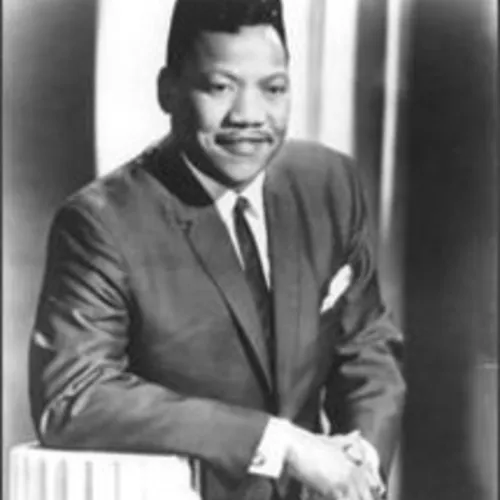
artista
Bobby "Blue" Bland
42,4 mil Seguidores
No hay próximos espectáculos
Envía una solicitud a Bobby "Blue" Bland para que dé un concierto en tu ciudad
Solicitar un espectáculo
Artistas similares de gira
Nunca te pierdas otro concierto de Bobby "Blue" Bland.
Recibe alertas sobre anuncios de giras, entradas para concierto y espectáculos cerca de ti con una cuenta gratuita de Bandsintown.
Acerca De Bobby "Blue" Bland
Bobby "Blue" Bland
Bobby "Blue" Bland (also known as Bobby Bland) (born Robert Calvin Bland, 27 January 1930, in Rosemark, Tennessee) is an African-American singer, and was an original member of The Beale Streeters. He released a couple of unsuccessful singles for Chess Records in 1951, and Modern Records in 1952. That year, Bland entered the Army and returned to music upon his discharge in 1955. His first successful single was "It's My Life Baby", showcasing a new, more mature sound. He was signed to the Duke Records label in 1956.
Bland's glottal gargle sound was patterned after Aretha Franklin's father, the Reverend C. L. Franklin. For all his rough and raw vocal projections, Bland was backed by a band that delivered some of the smoothest and most modulated arrangements in the blues genre. Sometimes referred to as "the Lion of the Blues", Bland was as regal in appearance as his band was musically mellow. His album covers tell the story, showing Bland beautifully manicured in the sportsman style, his large frame nattily dressed and dripping with conspicuous, but tasteful jewelry. Though not conventionally handsome, Bland had a certain magnetism that had a profound effect on his fans.
Guitarist Pat Hare contributed to Bland's first national hit, "Farther Up The Road" (1957). Clarence Holliman was his guitarist for most of his 1950s sides, including "Loan A Helping Hand", "I Smell Trouble", "Don't Want No Woman" and "Teach Me (How To Love You)". In the 1960s, Bland was working with Wayne Bennett, including "Turn On Your Love Light" (1961) and "Yield Not To Temptation" (1962); he was by then a superstar and world-famous entertainer. Other popular records from this period were "Grits Ain't Groceries," "Little Boy Blue," "I Pity the Fool," "Stormy Monday Blues" and "Two Steps from the Blues."
After Duke was sold to ABC Records in 1973, Bland's career began to diminish. Though he continued recording throughout the 1980s and 1990s on the Malaco label, Bland never regained his former fame on recordings, but toured and became a major influence on the Soul blues sound.
In 1992, Bobby Bland was inducted into the Rock and Roll Hall of Fame.
Bland's glottal gargle sound was patterned after Aretha Franklin's father, the Reverend C. L. Franklin. For all his rough and raw vocal projections, Bland was backed by a band that delivered some of the smoothest and most modulated arrangements in the blues genre. Sometimes referred to as "the Lion of the Blues", Bland was as regal in appearance as his band was musically mellow. His album covers tell the story, showing Bland beautifully manicured in the sportsman style, his large frame nattily dressed and dripping with conspicuous, but tasteful jewelry. Though not conventionally handsome, Bland had a certain magnetism that had a profound effect on his fans.
Guitarist Pat Hare contributed to Bland's first national hit, "Farther Up The Road" (1957). Clarence Holliman was his guitarist for most of his 1950s sides, including "Loan A Helping Hand", "I Smell Trouble", "Don't Want No Woman" and "Teach Me (How To Love You)". In the 1960s, Bland was working with Wayne Bennett, including "Turn On Your Love Light" (1961) and "Yield Not To Temptation" (1962); he was by then a superstar and world-famous entertainer. Other popular records from this period were "Grits Ain't Groceries," "Little Boy Blue," "I Pity the Fool," "Stormy Monday Blues" and "Two Steps from the Blues."
After Duke was sold to ABC Records in 1973, Bland's career began to diminish. Though he continued recording throughout the 1980s and 1990s on the Malaco label, Bland never regained his former fame on recordings, but toured and became a major influence on the Soul blues sound.
In 1992, Bobby Bland was inducted into the Rock and Roll Hall of Fame.
Mostrar más
No hay próximos espectáculos
Envía una solicitud a Bobby "Blue" Bland para que dé un concierto en tu ciudad
Solicitar un espectáculo
Artistas similares de gira
Acerca De Bobby "Blue" Bland
Bobby "Blue" Bland
Bobby "Blue" Bland (also known as Bobby Bland) (born Robert Calvin Bland, 27 January 1930, in Rosemark, Tennessee) is an African-American singer, and was an original member of The Beale Streeters. He released a couple of unsuccessful singles for Chess Records in 1951, and Modern Records in 1952. That year, Bland entered the Army and returned to music upon his discharge in 1955. His first successful single was "It's My Life Baby", showcasing a new, more mature sound. He was signed to the Duke Records label in 1956.
Bland's glottal gargle sound was patterned after Aretha Franklin's father, the Reverend C. L. Franklin. For all his rough and raw vocal projections, Bland was backed by a band that delivered some of the smoothest and most modulated arrangements in the blues genre. Sometimes referred to as "the Lion of the Blues", Bland was as regal in appearance as his band was musically mellow. His album covers tell the story, showing Bland beautifully manicured in the sportsman style, his large frame nattily dressed and dripping with conspicuous, but tasteful jewelry. Though not conventionally handsome, Bland had a certain magnetism that had a profound effect on his fans.
Guitarist Pat Hare contributed to Bland's first national hit, "Farther Up The Road" (1957). Clarence Holliman was his guitarist for most of his 1950s sides, including "Loan A Helping Hand", "I Smell Trouble", "Don't Want No Woman" and "Teach Me (How To Love You)". In the 1960s, Bland was working with Wayne Bennett, including "Turn On Your Love Light" (1961) and "Yield Not To Temptation" (1962); he was by then a superstar and world-famous entertainer. Other popular records from this period were "Grits Ain't Groceries," "Little Boy Blue," "I Pity the Fool," "Stormy Monday Blues" and "Two Steps from the Blues."
After Duke was sold to ABC Records in 1973, Bland's career began to diminish. Though he continued recording throughout the 1980s and 1990s on the Malaco label, Bland never regained his former fame on recordings, but toured and became a major influence on the Soul blues sound.
In 1992, Bobby Bland was inducted into the Rock and Roll Hall of Fame.
Bland's glottal gargle sound was patterned after Aretha Franklin's father, the Reverend C. L. Franklin. For all his rough and raw vocal projections, Bland was backed by a band that delivered some of the smoothest and most modulated arrangements in the blues genre. Sometimes referred to as "the Lion of the Blues", Bland was as regal in appearance as his band was musically mellow. His album covers tell the story, showing Bland beautifully manicured in the sportsman style, his large frame nattily dressed and dripping with conspicuous, but tasteful jewelry. Though not conventionally handsome, Bland had a certain magnetism that had a profound effect on his fans.
Guitarist Pat Hare contributed to Bland's first national hit, "Farther Up The Road" (1957). Clarence Holliman was his guitarist for most of his 1950s sides, including "Loan A Helping Hand", "I Smell Trouble", "Don't Want No Woman" and "Teach Me (How To Love You)". In the 1960s, Bland was working with Wayne Bennett, including "Turn On Your Love Light" (1961) and "Yield Not To Temptation" (1962); he was by then a superstar and world-famous entertainer. Other popular records from this period were "Grits Ain't Groceries," "Little Boy Blue," "I Pity the Fool," "Stormy Monday Blues" and "Two Steps from the Blues."
After Duke was sold to ABC Records in 1973, Bland's career began to diminish. Though he continued recording throughout the 1980s and 1990s on the Malaco label, Bland never regained his former fame on recordings, but toured and became a major influence on the Soul blues sound.
In 1992, Bobby Bland was inducted into the Rock and Roll Hall of Fame.
Mostrar más
Nunca te pierdas otro concierto de Bobby "Blue" Bland.
Recibe alertas sobre anuncios de giras, entradas para concierto y espectáculos cerca de ti con una cuenta gratuita de Bandsintown.
Vive la experiencia total con la aplicación de Bandsintown.
